Hanoi University of Science and Technology Strives to Promote the Circular Economy
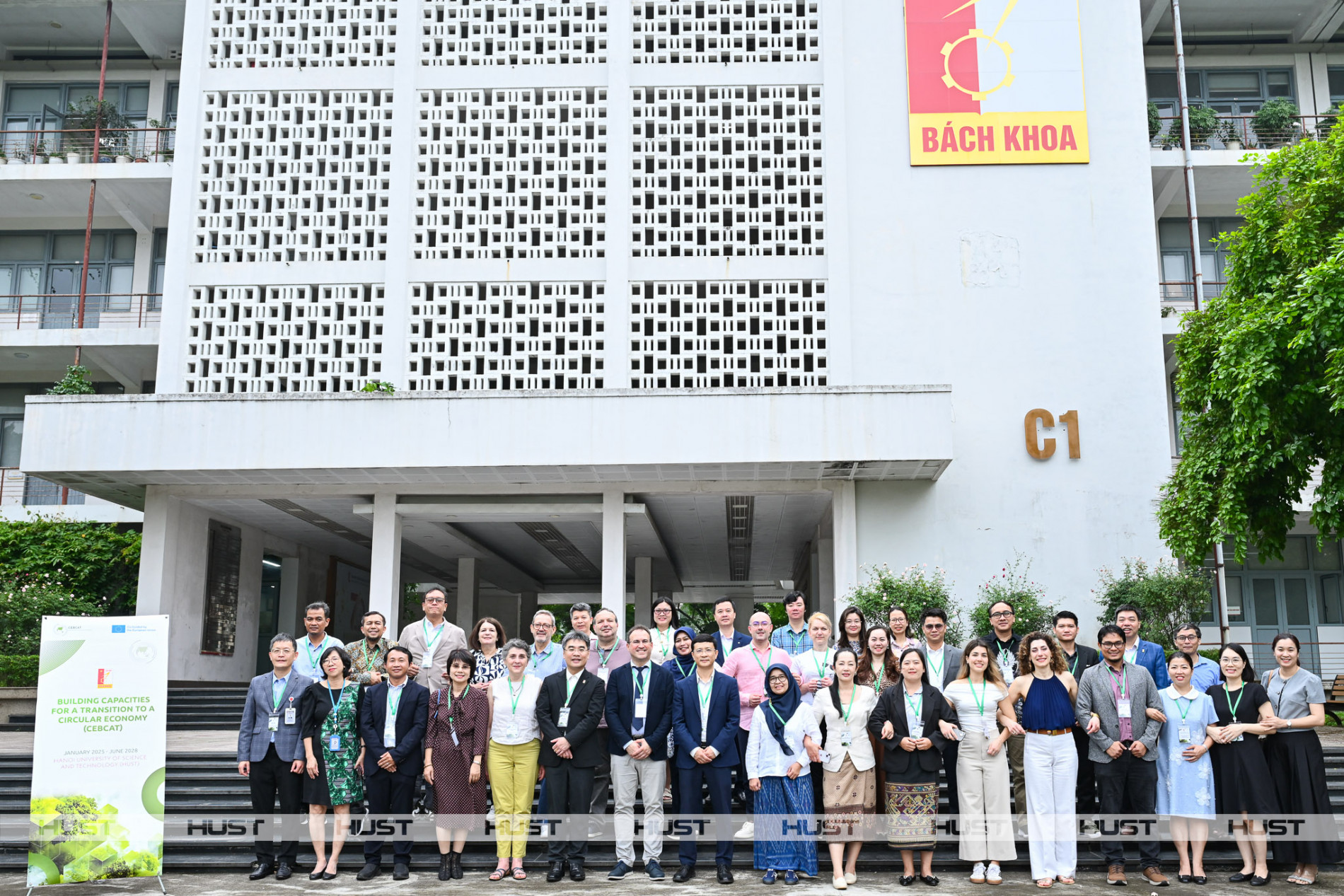
In the context of climate change posing severe challenges to all of humanity, transitioning to a circular economy is no longer a choice but an inevitable path. The CEBCAT project – an international cooperative initiative on capacity building for the transition to a circular economy – has clearly demonstrated the shared determination of countries, including Vietnam, to take practical action for a green, sustainable future.
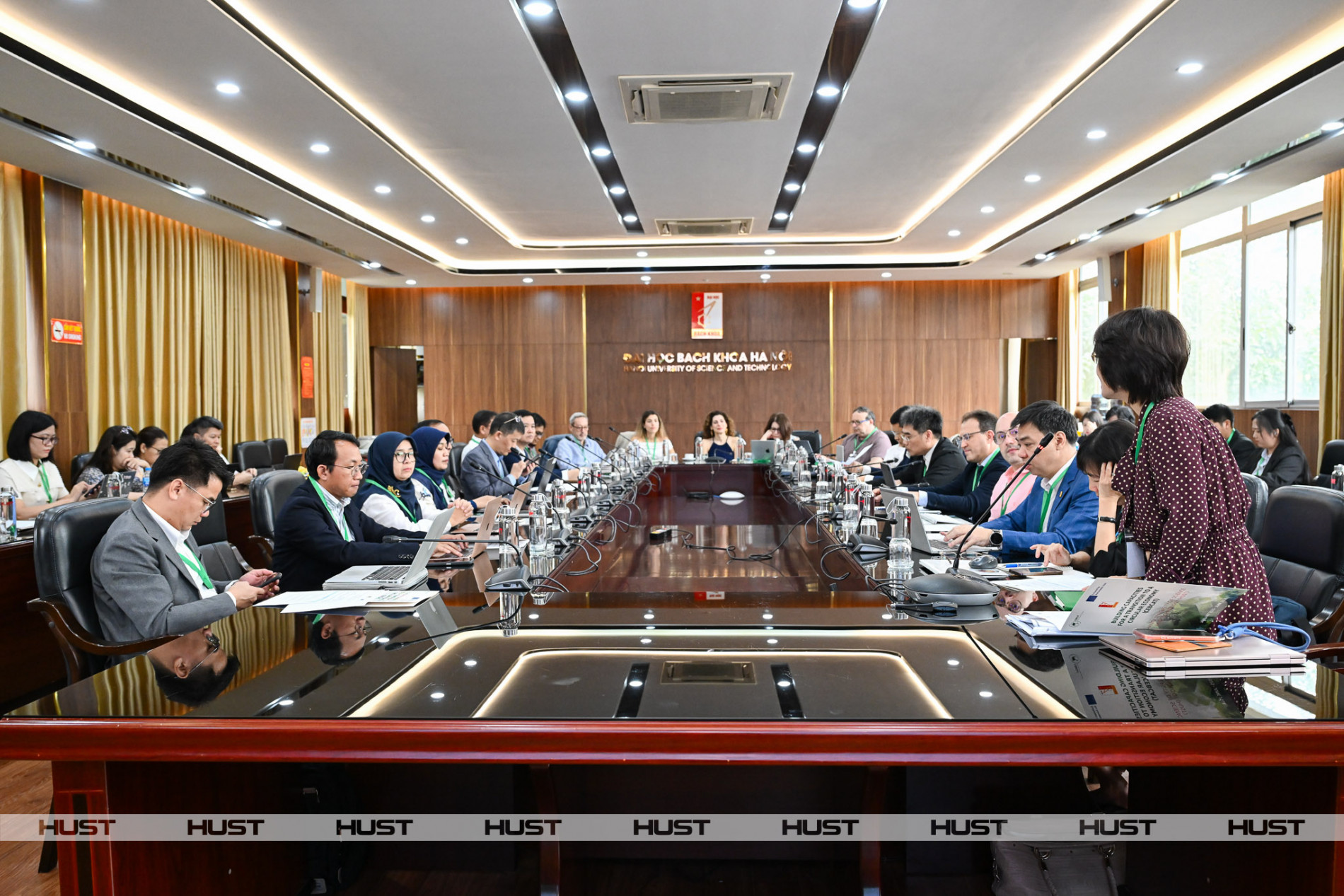
Opening the session, Assoc. Prof. Huynh Dang Chinh, Vice President of Hanoi University of Science and Technology, stated: Universities play a key role in the transition to a circular economy. Through education, research, and innovation, universities help prepare high-quality human resources to solve complex environmental and social challenges.
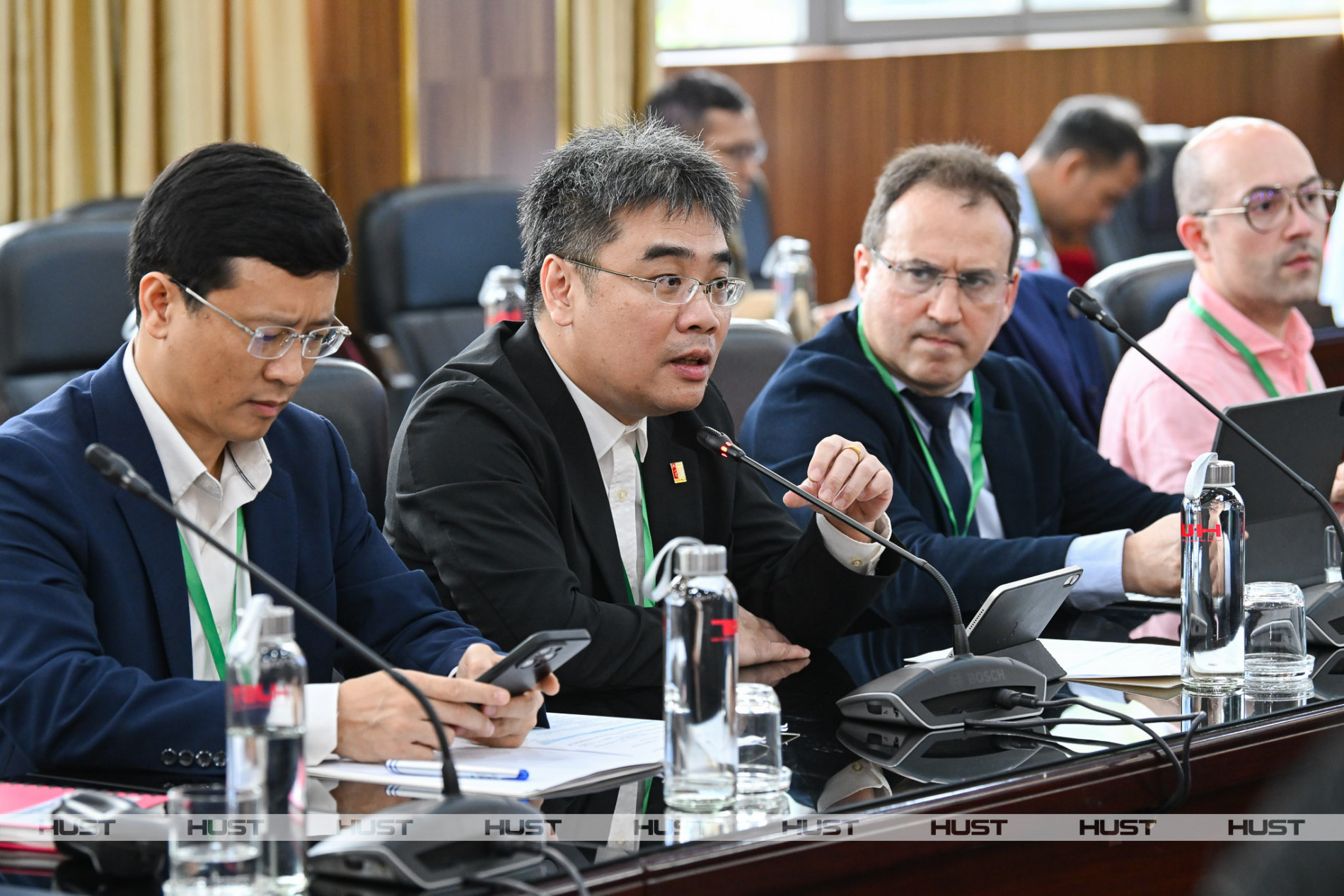
"Hanoi University of Science and Technology is proud to contribute to this global effort," Assoc. Prof. Huynh Dang Chinh emphasized.
At the session, Prof. Oscar Rodil Marzabal, Coordinator of the CEBCAT Project, shared about the progress and purpose of the project at the present time: "This is the right time for us to openly share experiences; realistically identify difficulties; collaboratively propose solutions; and work together with a spirit of shared responsibility."
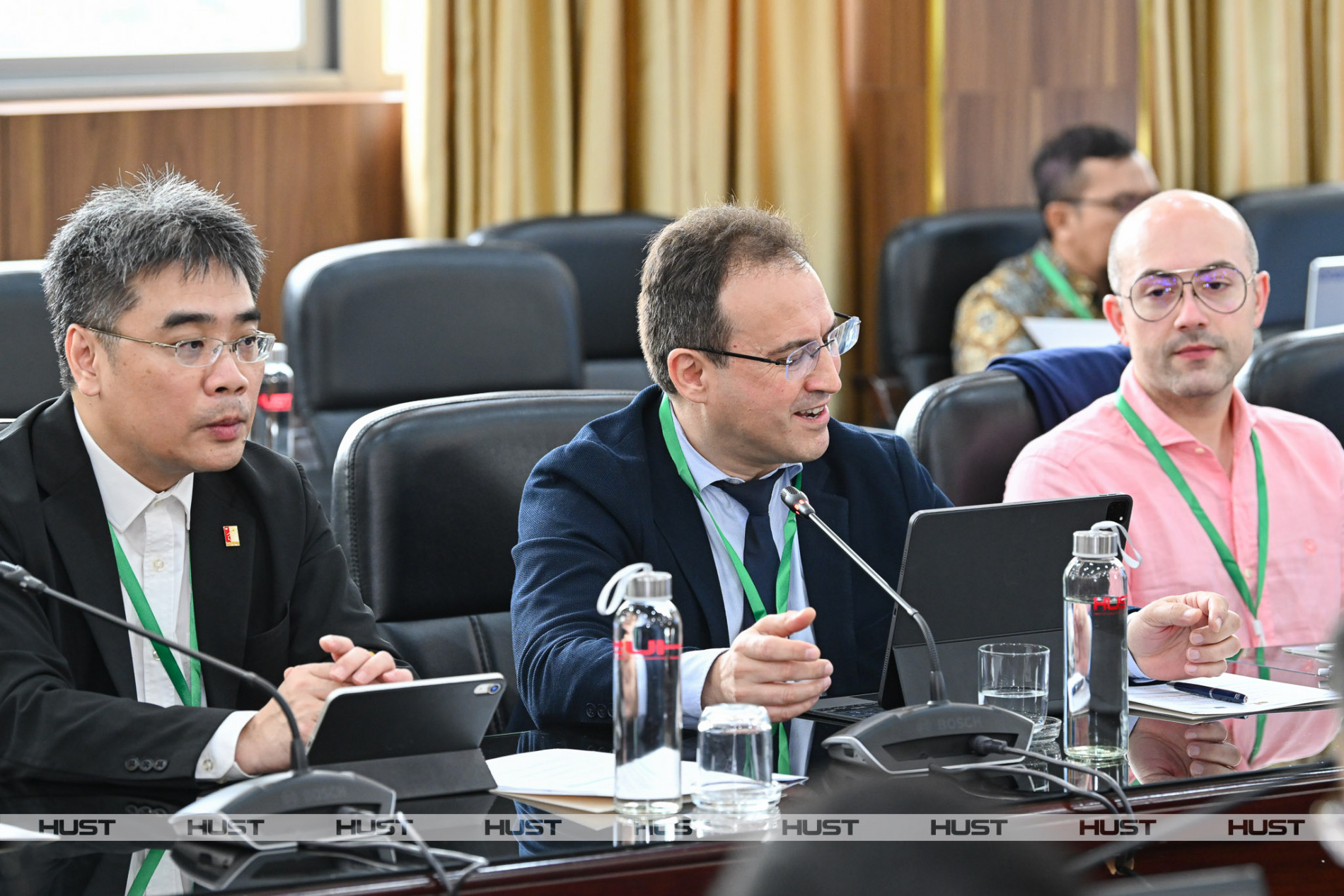
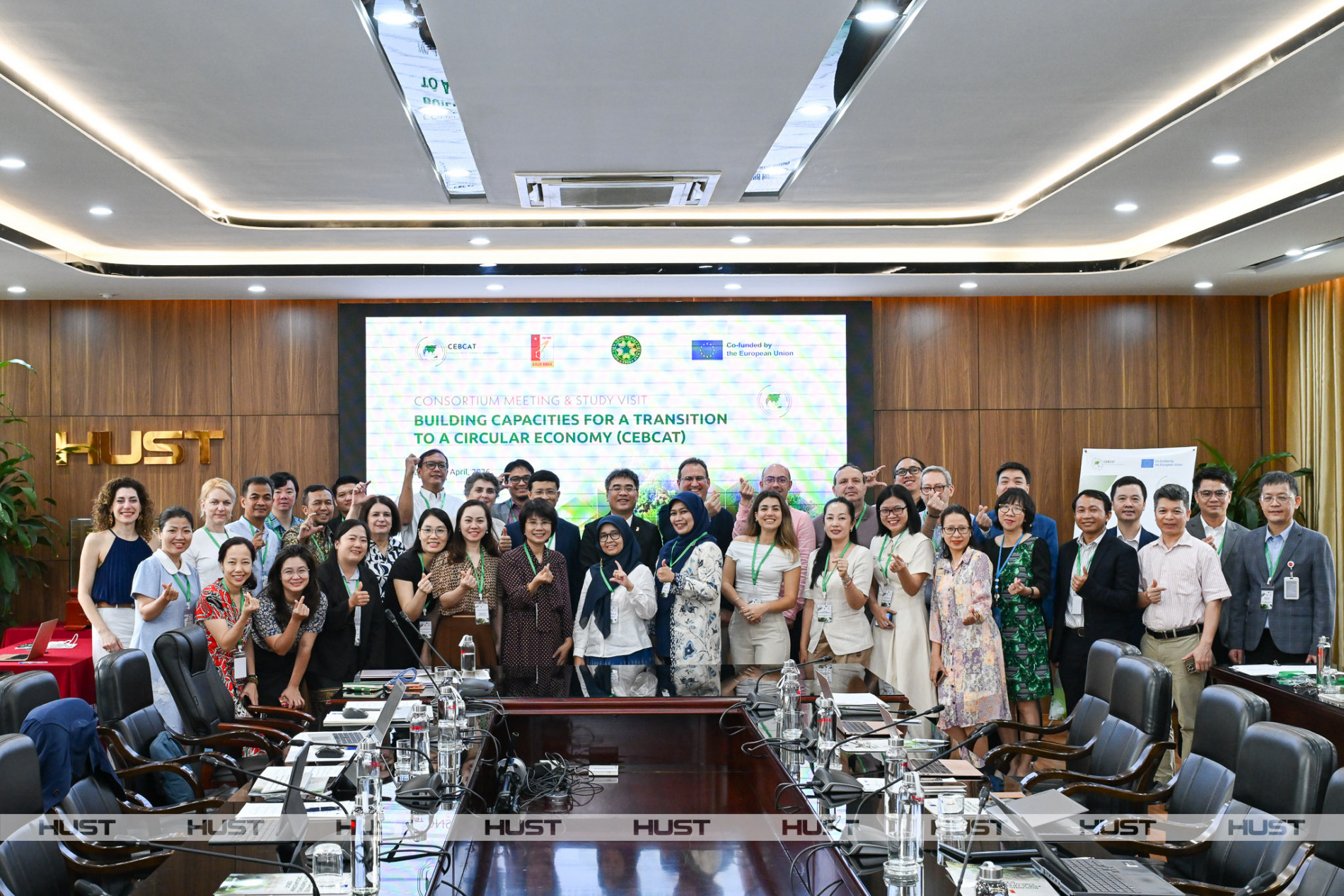
Within the framework of the working program from April 20 to 24, 2026, in Hanoi, partners reviewed the implementation progress. The report shows that the project is on the right track, with important milestones completed on time. However, a spirit of frankness and receptiveness was also highlighted when the parties pointed out limitations that need to be overcome: increasing the number of training participants, perfecting evidence of research equipment, and stepping up communication and enrollment activities.
Active participation in CEBCAT affirms the role and responsibility of Vietnam in general and Hanoi University of Science and Technology in particular within the international community. It is not only an obligation but also an opportunity to rise, innovate, and develop sustainably.
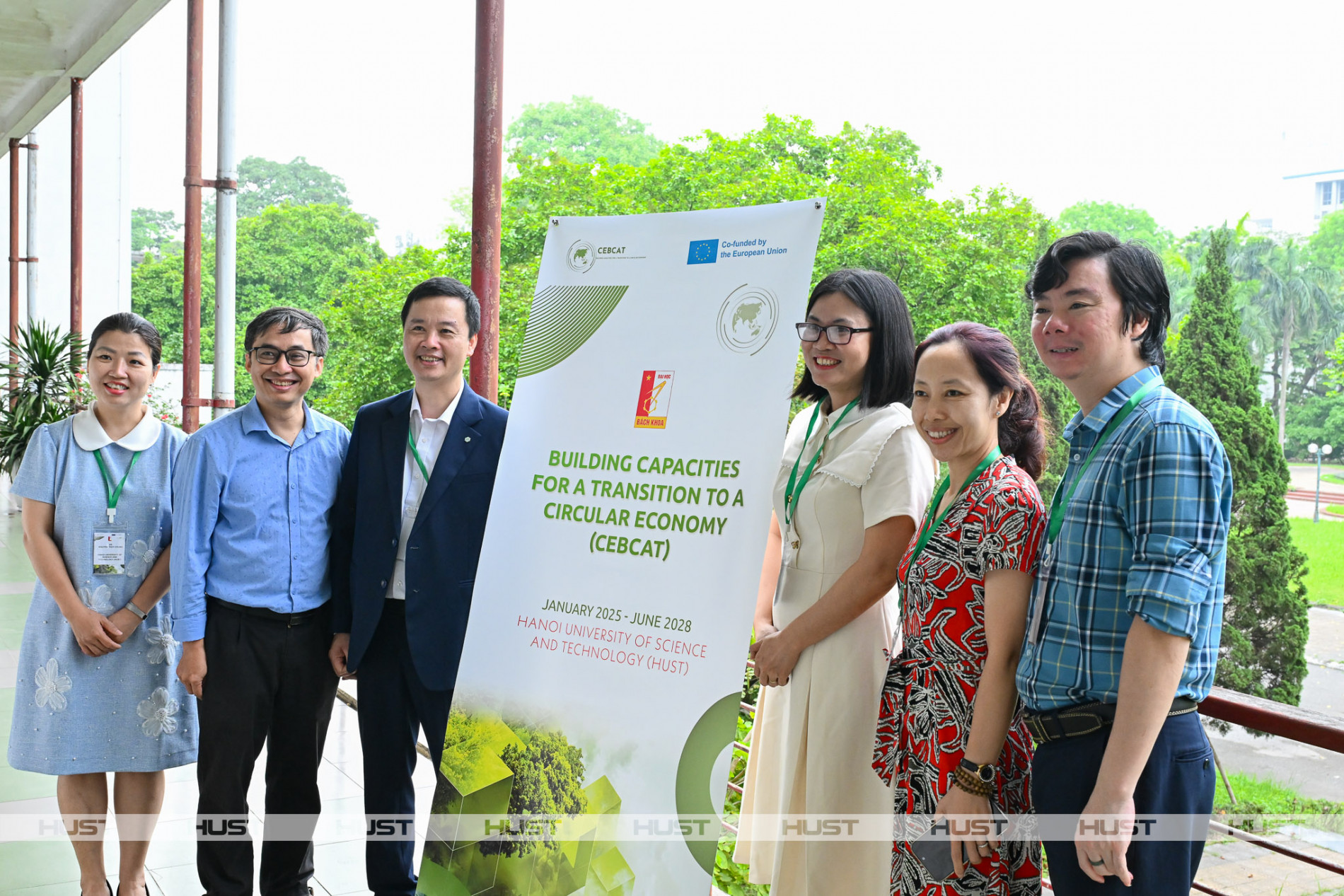
In this development strategy, sustainability and innovation are key priorities. Two of the four strategic focus areas in research and education at Hanoi University of Science and Technology – Energy and Sustainable Environment, and Health Sciences – are closely linked to the principles of the circular economy. These fields address critical challenges such as energy transition, efficient use of resources, environmental protection, and sustainable technologies to improve the quality of life.
Photos: Khanh Duy
Author: Tran Thu Trang
Newer articles
Older articles
-
 Behind the AI Algorithms Optimizing Life-Saving Irradiation...
-
 A 30-Country Arena, a HUSTer, and the Story of Classrooms...
-
 The “Family Tradition” of HUST
-
 AI DAY 2026: Hanoi University of Science and Technology...
-
 Hanoi University of Science and Technology and The Asia...
-
 Entrepreneurship for Healing
-
 HUST Research Applies Artificial Intelligence to Medical...
-
 From the Lecture Hall to HiCamping: Study Hard, Live Fully...
-
Hanoi University of Science and Technology Strives to...
-
 Tripartite Cooperation Integrating Training, Research, and...