Hanoi University of Science and Technology Ready for Global Integration
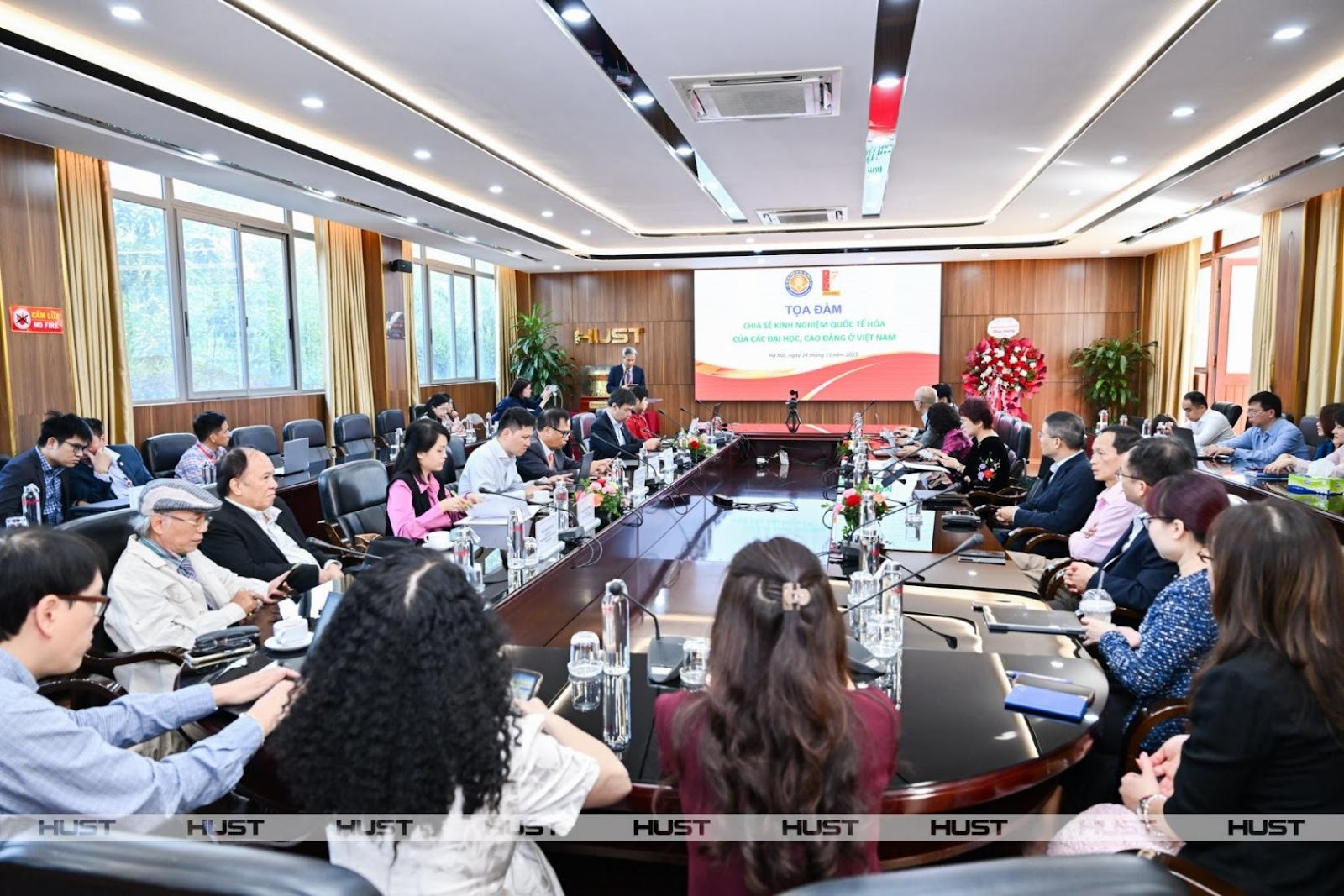
This forum connects higher education institutions across the country to share experiences and discuss effective directions and models for educational internationalization, contributing to improving training quality, promoting academic cooperation, and fostering deep integration with global education.
Opening the program, Prof. Le Anh Tuan – Secretary of the Party Committee and Chairman of the University Council of Hanoi University of Science and Technology – clearly observed: International cooperation in higher education is no longer a choice but an essential driver for Vietnam to catch up and rise in the race for knowledge. Educational internationalization is not merely about student exchange or signing cooperation agreements; it is about integrating global elements into every activity of the institution—from curriculum design, research, and innovation to university governance and the academic environment.
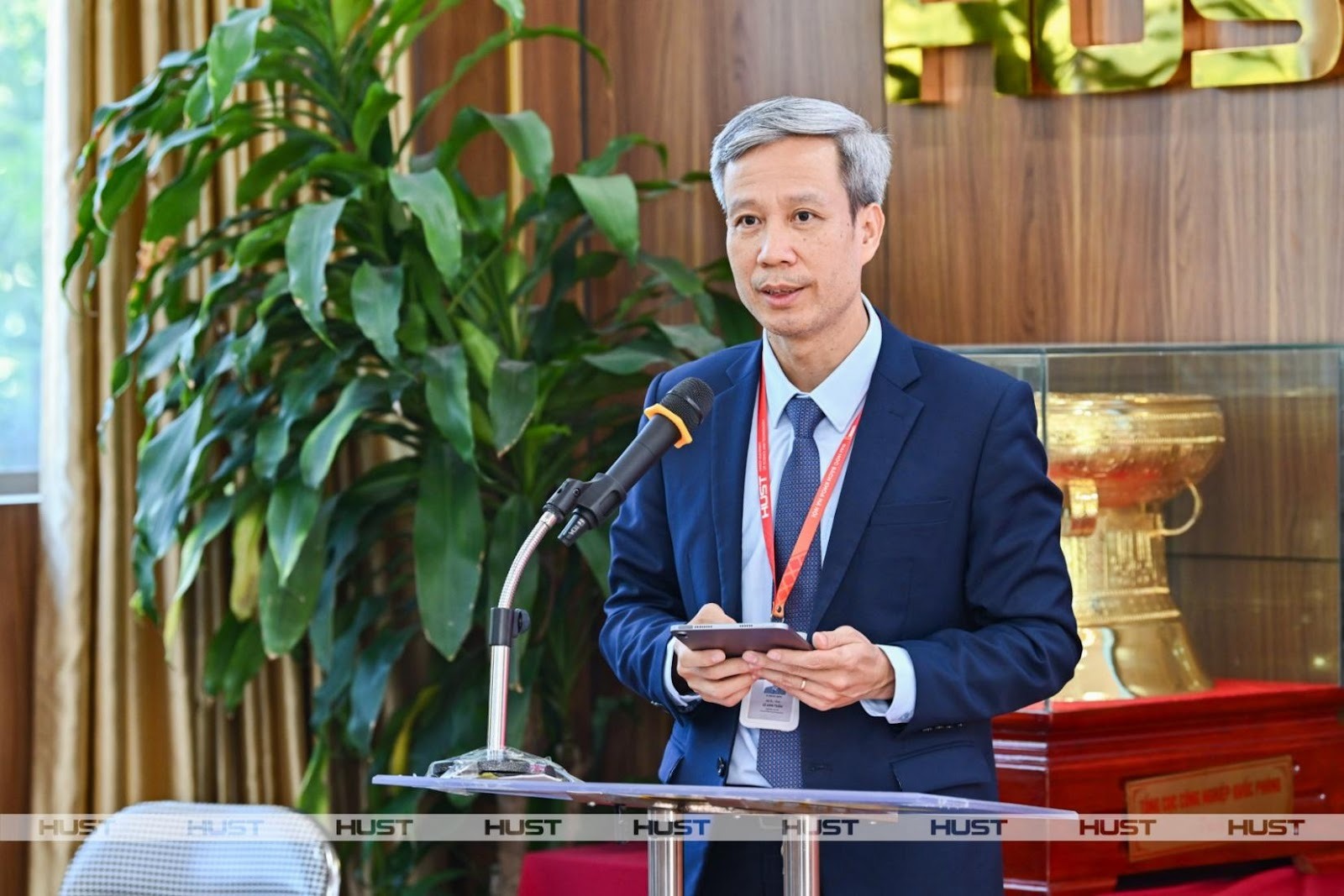
Hanoi University of Science and Technology has recently signed cooperation agreements with over 200 universities worldwide, including 58 universities in the top 200 and 124 in the top 500 globally. Additionally, the University has signed agreements with more than 50 major corporations, multinational companies, and FDI enterprises such as Samsung Electronics, LG Display, Mitsubishi Electric, Nissan Automotive Technology, Siemens, Bosch, and TSMC.
Elevating international cooperation in higher education is the key to unlocking the future development of Vietnam—a nation that is knowledgeable, creative, and responsible to the world.
Also at the event, Assoc. Prof. Nguyen Thu Thuy – Director of the Department of International Cooperation, Ministry of Education and Training – stated: Internationalization of higher education is the process of integrating international elements into all aspects of education, including goals, training programs, scientific research activities, and the creation of dynamic, creative learning environments. The aim is to improve training quality, enhance competitiveness, and prepare students for effective integration into the global labor market.
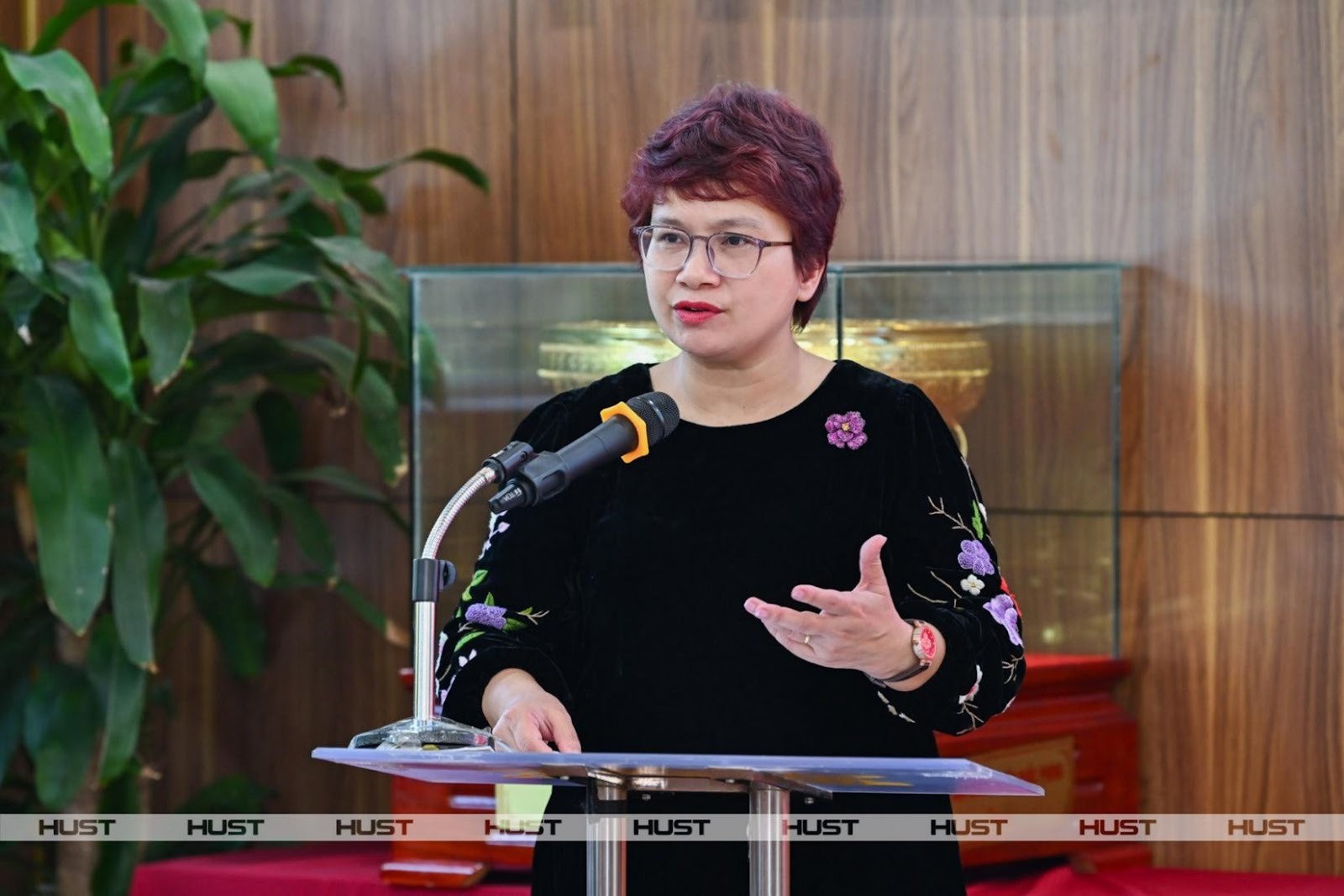
In recent times, universities and colleges in Vietnam have integrated internationally very actively and have demonstrated effectiveness in training, scientific research, and innovation through this integration. Many universities have developed English-taught curricula, expanded international research cooperation, and gradually built an internationalized academic environment.
Improving training quality and enhancing the reputation and position of universities and colleges in the region and the world have resulted in several Vietnamese universities being ranked in prestigious global university rankings. They have also become attractive destinations for foreign scholars and scientists to work, as well as for international students to study.
However, alongside these positive results, many challenges remain, posing urgent requirements such as: Internationalization of higher education needs to deepen, focusing on enhancing internal strength and developing institutional and human capacity to proactively adapt and contribute positively to the global education space.
Given this context, the seminar "Sharing Experiences on Internationalization of Universities and Colleges in Vietnam" was organized as a forum for institutions to share experiences, lessons learned, and effective internationalization models, thereby forming a sustainable cooperation network both domestically and abroad.
The Director of the Department of International Cooperation, Ministry of Education and Training, noted: "For Vietnam, the path of internationalization needs to align with socio-economic characteristics and national education development goals. We need to: Build an internationalization strategy linked to improving the quality of training and faculty; Invest in modern infrastructure, technology, and learning and research environments; and Increase the attraction of international students and lecturers, building Vietnam's image as a prestigious academic destination in the region."
With the right direction, appropriate policies, and the consensus of educational institutions, the internationalization of higher education will become an important driver for improving quality, integrating deeply, and affirming Vietnam's position in the global competition for knowledge and high-quality human resources.
At the seminar, Assoc. Prof. Nguyen Đac Trung, Head of the Department of Partnership and Engagement, Hanoi University of Science and Technology, opened the presentation session with the topic "Promoting External Cooperation at Hanoi University of Science and Technology in Training and Scientific Research." The presentations, shared opinions, and discussions at the seminar provided many profound perspectives on the roles, opportunities, and challenges in the internationalization process of universities and colleges in Vietnam.
The seminar was a success as all attendees clearly recognized that: Internationalization is not just a trend but an inevitable requirement to improve the quality of training and research. Successful internationalization will help Vietnam build a knowledge-based, creative, and deeply integrated education system, contributing actively to socio-economic development and affirming the national position on the international stage.
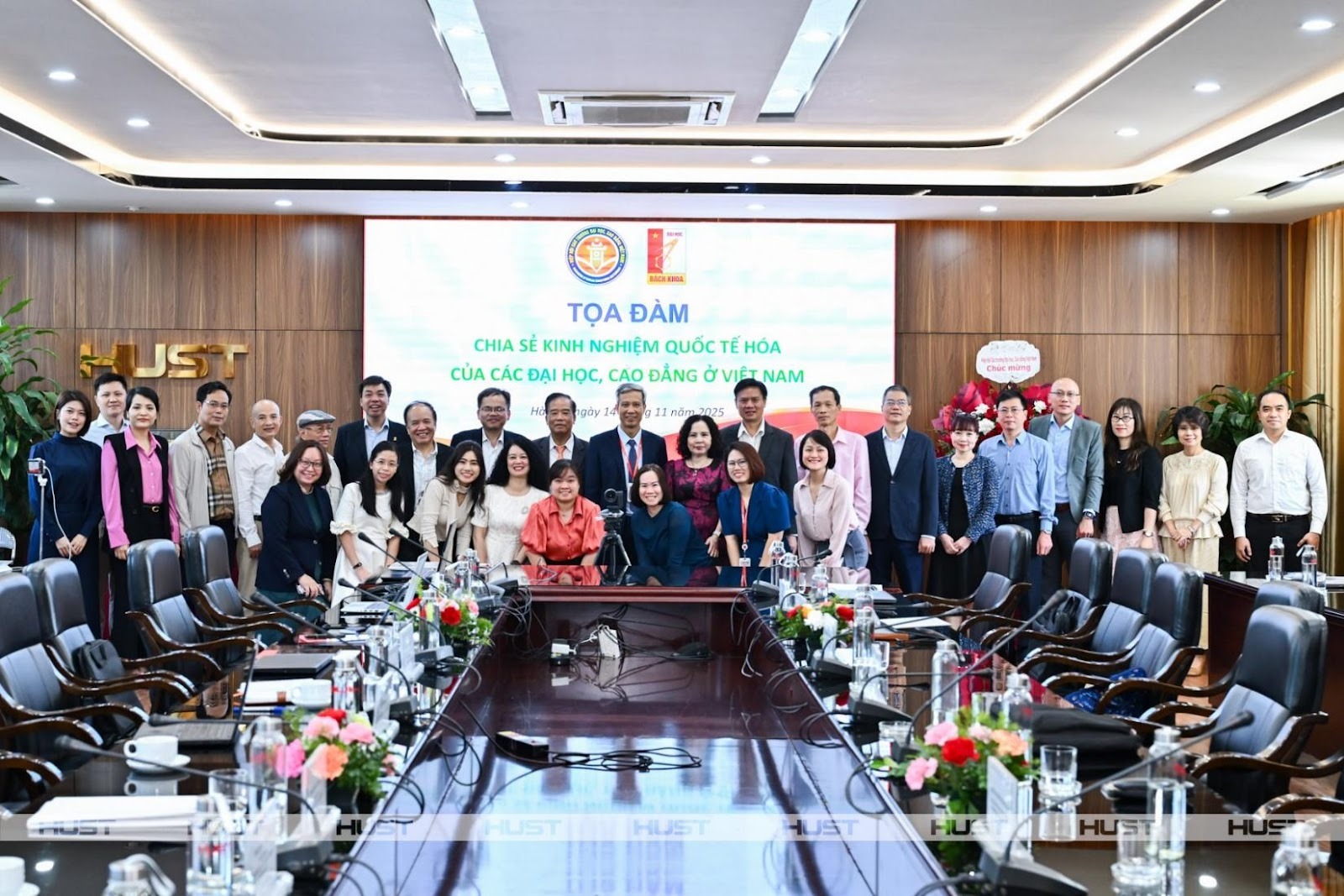
Only when universities, management agencies, businesses, and international organizations join hands will the internationalization of Vietnamese education truly become a driving force for the development of a knowledgeable, creative, and deeply integrated nation.
International integration helps Vietnamese higher education proactively adapt to global changes while bringing Vietnamese knowledge to the world and bringing the essence of humanity back to serve the country's development.
Photos: Duy Thanh
Author: Tran Thu Trang
Newer articles
Older articles
-
 Behind the AI Algorithms Optimizing Life-Saving Irradiation...
-
 A 30-Country Arena, a HUSTer, and the Story of Classrooms...
-
 The “Family Tradition” of HUST
-
 AI DAY 2026: Hanoi University of Science and Technology...
-
 Hanoi University of Science and Technology and The Asia...
-
 Entrepreneurship for Healing
-
 HUST Research Applies Artificial Intelligence to Medical...
-
 From the Lecture Hall to HiCamping: Study Hard, Live Fully...
-
 Hanoi University of Science and Technology Strives to...
-
 Tripartite Cooperation Integrating Training, Research, and...